Casino Hold Em How to Play: A Decision Guide for Australian Players
If you’re weighing up a table game that mixes poker instincts with fast-paced casino action, casino hold em how to play is the question worth answering before you commit a single dollar. I’ve spent enough time around gaming floors and supplier deals to know the difference between a slick interface and a game that actually respects the player’s time. The sport on the telly will keep, but a proper poker hand deserves your attention on its own terms.
What the game asks of you before you sit down
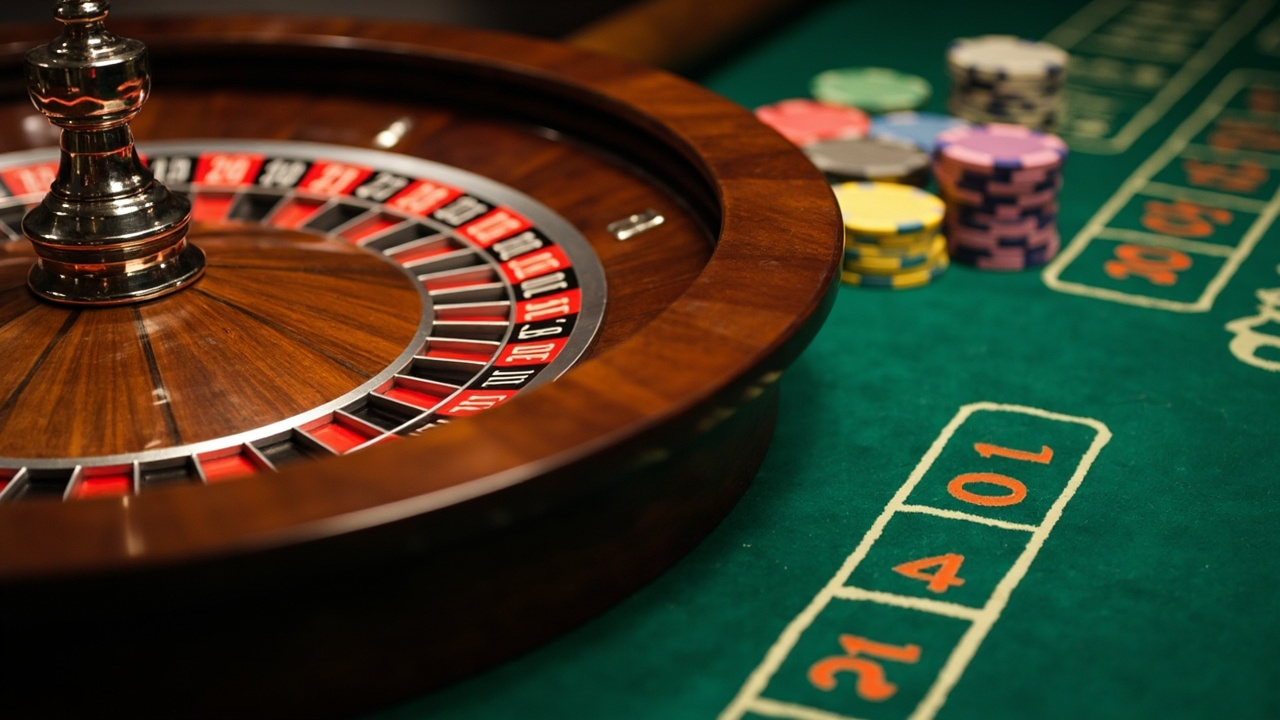
Casino hold em how to play starts with a simple premise: you and the dealer each receive two hole cards, then five community cards hit the table in three stages. You’re not playing against other players, only the dealer’s qualifying hand. The betting rounds follow a familiar rhythm – an ante, a call or fold decision, then a post-flop check or raise – so anyone who has touched Texas hold em will feel at home within a minute. What matters here is the qualifying rule: the dealer needs at least four-high to stay in the hand, and if they miss it, you collect the ante bonus plus your call bet back. That detail changes how you approach marginal hands, because a weak pair isn’t automatically a losing spot if the dealer falls short.
I’ve watched supplier pitches where the math gets dressed up as clever, but the honest read is that the house edge lives in the fold-or-call moment and the bonus payout structure. You don’t need a calculator at the table, but you do need to know when a hand is worth chasing and when it’s just burning your ante. If you’re playing on a phone between chores, the pace matters more than the glamour – quick decisions, clear card layout, and no clutter around the action. We’ve run similar table products through our own testing at Independent Gaming, and the ones that hold up are the ones where the rules are visible without hunting fourwallsbuilding.com through menus. A game that hides its qualifying threshold or buries the bonus payout is asking you to guess, and guessing is a poor use of your bankroll.
How the betting rounds actually work
The first real decision is the ante, which sets the table but isn’t where the hand is won or lost. Once the flop lands, you choose to call – matching the ante at a set multiple – or fold and lose that initial stake. If you call, the turn and river come out, you make your best five-card hand, and the dealer reveals theirs. A pair or better usually keeps you in the game, but the real skill is recognising when the community cards leave you with too much to lose and too little to win. The bonus side bet is separate, paying out on specific hands before the main action even settles, and it’s the part that can blur your judgement if you treat it like a free upside rather than a priced bet of its own.
From a commercial standpoint, the bonus bet is where operators make their margin, and that’s fine as long as the payouts are transparent. I’ve seen tables where the bonus pays a healthy return on a flush or straight but barely covers the ante on a pair, and that asymmetry is worth noting before you throw chips at it. The call bet itself should be treated like any other decision: price the risk, respect the dealer’s chance to qualify, and don’t let a couple of pretty community cards talk you into a call you’d never make with a cold hand. If you’re comparing timing against notes on Perth gambling forums where slow transfers get flagged fast, you’ll notice the same discipline applies at the table – know what you’re paying for before you pay for it.
Reading the table on a phone or in a browser
Mobile usability isn’t a bonus feature; it’s the whole experience if you’re playing between errands or during a break in the day. A decent setup keeps the table readable without pinching, puts the call and fold buttons where your thumb naturally lands, and doesn’t make you wait on animations when you’ve already made your decision. Performance matters more than polish – a game that stutters on a mid-range handset or drops you into a loading loop between hands is costing you time you didn’t budget for. Navigation should be straightforward: get in, pick your stake, play the hand, and get out without wading through pop-ups or half-hidden menus.
We’ve audited a few mobile-first table products in our own operations, and the ones that work are the ones built around a single clear action per round rather than a stack of secondary buttons competing for attention. The card layout needs to stay legible at a small size, the dealer’s hand should reveal cleanly, and the payout summary should sit where you can check it without losing your place. If a platform feels like it was shrunk from a desktop layout rather than designed for a phone, you’ll feel it in the friction – extra taps, slower transitions, and a table that’s busy as a weekend shift when it should be calm. No worries if the graphics are simple; clarity beats flash every time when you’re making quick calls.
What this means for Australians
For players here, the practical takeaway is straightforward: treat casino hold em how to play as a priced decision game, not a poker contest with a friendly table. The dealer qualifying rule and the bonus payout structure are the two numbers that matter, and they’re the same whether you’re in Melbourne during a slow afternoon or watching the AFL Grand Final on a second screen. The sporting calendar will always pull attention – Melbourne Cup week, State of Origin, Boxing Day Test – but a table game like this rewards focus, not multitasking. If you’re playing on mobile, check that the stake range suits your bankroll, that the payouts are shown before you commit, and that the interface doesn’t slow you down when you’re ready to fold.Intelligentinvestor
The honest judgement call is to pick a table where the rules are visible, the bonus bet is priced honestly, and the mobile flow doesn’t fight you. I’ve seen enough supplier pitches and floor setups to know that a clean, well-paced table beats a flashy one every time, and that’s the standard worth applying whether you’re playing for an hour or just spinning up a few hands between appointments. Play the decision, not the decoration, and you’ll know exactly what you’re paying for.


 English
  Turkish